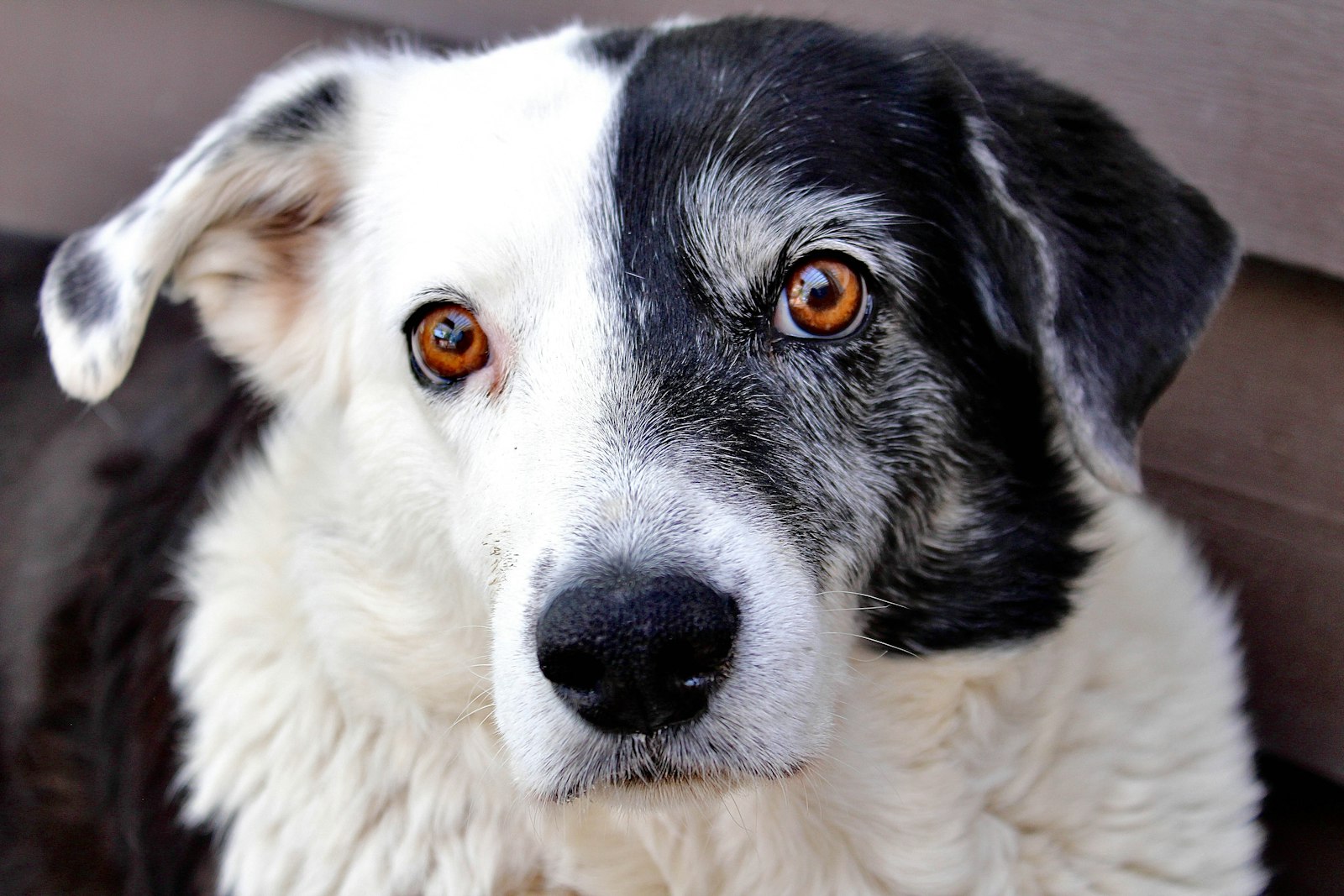
Eye problems in dogs do not always look serious at first. A little tearing after a walk, some redness, or a dog rubbing at one eye can seem minor. But eye issues are one of those problems where waiting can make things harder. Some causes are mild and easy to treat. Others can become painful quickly or put your dog’s vision at risk.
For dog owners in Milpitas, the safest approach is simple: if an eye looks uncomfortable, suddenly different, or clearly painful, it is worth getting checked. Dust, grass, and everyday outdoor activity can irritate the eye, but similar signs can also show up with dry eye, corneal ulcers, glaucoma, conjunctivitis, and other conditions that need prompt care.
Why eye problems deserve quick attention
Dogs often hide pain better than people expect. A dog may still eat, wag, and follow a normal routine even while dealing with significant eye discomfort. That can make a problem look less urgent than it really is.
Eyes are delicate, and some conditions can worsen fast. A small scratch on the cornea may begin with mild squinting. Increased pressure inside the eye may first look like simple redness. Dry eye can resemble routine discharge until the surface of the eye becomes more inflamed and uncomfortable. In many cases, earlier treatment means less pain and a better outcome.
Signs of eye trouble in dogs
Some eye problems are obvious, but many start subtly. It is a good idea to pay attention if your dog has:
- Redness in one or both eyes
- Squinting or frequent blinking
- Excess tearing
- Yellow or green discharge
- Cloudiness or a blue-gray haze
- Pawing at the face
- Rubbing the eye on carpet, bedding, or furniture
- Swelling around the eye
- Light sensitivity
- Trouble seeing or bumping into things
These signs do not point to just one diagnosis. A red eye might be caused by irritation, infection, dry eye, or glaucoma. A cloudy eye may be related to aging changes in some dogs, but it can also signal something more urgent. That is why an exam matters more than guessing from appearance alone.
Common dog eye conditions vets see
Conjunctivitis
Conjunctivitis is inflammation of the tissues around the eye and eyelids. It often causes redness, pinkness, and discharge. Sometimes it is triggered by irritation or allergies, but it can also be tied to infection, dry eye, or another underlying problem.
Corneal ulcers
A corneal ulcer is a scratch or erosion on the clear surface of the eye. These injuries can happen after rough play, debris getting into the eye, or rubbing at the face. Corneal ulcers are often painful. Dogs may squint hard, tear heavily, and avoid bright light. Some are mild, but others can become serious in a short time.
Dry eye
Dry eye happens when a dog does not make enough tears to protect the surface of the eye. That can lead to chronic redness, sticky discharge, and ongoing irritation. Many dogs with dry eye need long-term management rather than a one-time treatment.
Glaucoma
Glaucoma is increased pressure inside the eye. It is one of the more urgent causes of eye pain in dogs because it can threaten vision quickly. Redness, cloudiness, squinting, a larger-looking eye, or sudden signs of discomfort can all be warning signs.
Cataracts and other lens changes
Some dogs develop cataracts or other internal eye changes that affect vision. Owners may notice cloudiness, hesitation on stairs, or bumping into objects, especially in dim light. Not every cloudy eye is a cataract, which is another reason a veterinary exam is important.
Eyelid and eyelash problems
Some dogs have eyelids that roll inward or eyelashes that rub against the eye. That repeated friction can cause tearing, pain, and recurring surface irritation. These issues are easy to miss without a close exam.
What can trigger eye irritation in everyday life?
Not every eye issue starts as a disease. Dogs can get dust, plant material, grass seeds, or other small particles in the eye while walking, playing, or riding with the windows partly open. Active dogs may be especially prone to irritation that turns into a more painful problem if the eye gets scratched.
That can happen in a place like Milpitas, where dogs may split their time between neighborhood walks, local parks, and open spaces with wind and dust. A dog that comes back from time outdoors, including an active outing near Ed R. Levin County Park, may simply have irritation. But it is important not to assume that is all it is. What looks minor at first can develop into an ulcer or deeper inflammation, and some serious eye conditions happen without any obvious outdoor trigger.
Why home treatment can make things worse
It is understandable to want to help right away, but many eye conditions look similar from home and need very different treatment. Mild irritation is not treated the same way as a corneal ulcer. Glaucoma is not something to watch for a day or two and hope improves on its own.
Using leftover medication from an earlier eye problem can also backfire. Some products are not appropriate for the current issue, and the wrong medication can make certain conditions worse. In most cases, the safer first steps are preventing your dog from rubbing the eye and arranging prompt veterinary care.
How a Milpitas vet clinic can help
An eye exam does more than confirm that the eye looks irritated. The goal is to find out what is causing the problem and how urgent it is. Depending on the symptoms, a veterinarian may check tear production, stain the cornea to look for scratches or ulcers, measure eye pressure, examine the eyelids and lashes, and look deeper into the eye.
Your dog’s recent history can help too. Sudden symptoms in one eye, rubbing after a walk, or rough play with another dog may offer useful clues. Still, those details do not replace the exam. Redness and discharge alone do not tell the whole story.
For local pet owners, getting a dog seen quickly in Milpitas can make a real difference. Eye conditions are often easier to treat before pain increases or the surface of the eye becomes more damaged.
When an eye problem is urgent
Some eye issues can wait for the next available appointment, but others should be treated as same-day concerns. Prompt care is a good idea if your dog has:
- Sudden squinting or obvious eye pain
- A cloudy, blue, or hazy eye
- Significant redness that appeared quickly
- Thick discharge along with discomfort
- Swelling around the eye
- Trauma to the face or eye area
- A visibly enlarged eye
- Sudden trouble seeing
- Repeated pawing or rubbing at the eye
As a general rule, if your dog cannot comfortably keep the eye open or the eye suddenly looks different enough to worry you, it is best to treat that as more than a minor irritation.
Protecting your dog’s comfort and vision
Eye conditions in dogs are common, but they are not something to brush off. Some are straightforward and improve with treatment. Others are painful, fast-moving, and harder to manage if care is delayed.
For Milpitas dog owners, the most useful mindset is to take eye changes seriously without panicking. Redness, squinting, cloudiness, discharge, and rubbing are all signs that deserve attention. Whether the cause is irritation, dry eye, a corneal ulcer, glaucoma, conjunctivitis, or something else, getting your dog examined early gives them the best chance at relief and protects their vision.