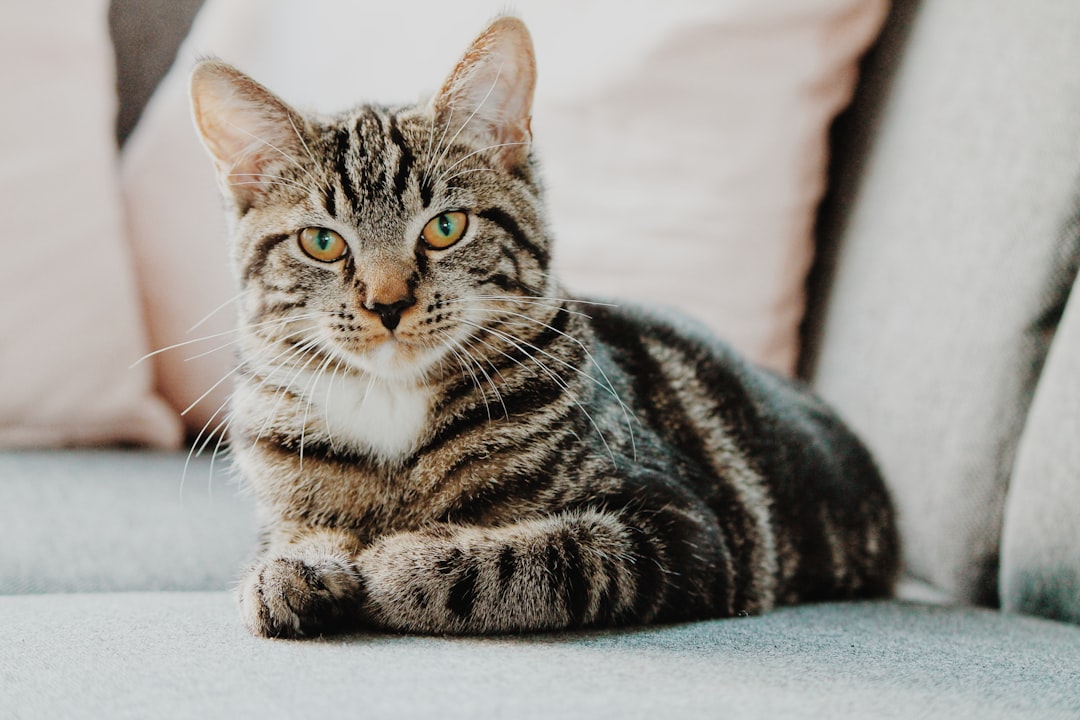
A sneezing cat can seem like a small problem at first. Maybe it starts with watery eyes, a stuffy nose, or a cat who seems a little quieter than usual. But upper respiratory infections in cats, often called cat flu, can worsen faster than many owners expect, especially in kittens, older cats, and cats already under stress.
For cat owners looking for a vet clinic in Milpitas, the key thing to know is this: not every upper respiratory infection is an emergency, but it is also not something to ignore for long. Mild cases may improve with supportive care at home. Others can lead to poor appetite, dehydration, eye problems, or more serious breathing issues. Knowing the difference matters.
What a feline upper respiratory infection is
In cats, an upper respiratory infection usually affects the nose, sinuses, throat, and eyes. Many cases are linked to viral infections, especially feline herpesvirus and calicivirus. Some cats also develop secondary bacterial infections, which can make symptoms worse or make them last longer.
The term "cat flu" can make the illness sound minor, but the reality is more mixed. Some cats only have mild sneezing and recover fairly quickly. Others become congested enough that they stop eating well, develop eye inflammation, run a fever, or seem noticeably unwell.
That loss of appetite is one of the biggest concerns. Cats rely heavily on their sense of smell to stay interested in food. When they are badly congested, even a hungry cat may turn away from meals.
Early signs cat owners often notice
Upper respiratory infections often start with mild, easy-to-miss symptoms. Common signs include:
- Sneezing
- Watery, crusty, or goopy eyes
- Nasal discharge
- Noisy breathing from congestion
- Lower energy
- Reduced appetite
- Drooling or signs of mouth discomfort
- A warm, tired, feverish appearance
Some cats also hide more, groom less, or just seem off. Kittens can go from mildly stuffy to clearly sick in a short time. Adult cats may be subtler, with appetite loss or behavior changes showing up before anything else looks serious.
If your cat is open-mouth breathing, struggling for air, or becomes extremely lethargic, that is more urgent and should not be treated like routine sniffles.
Why cat flu is so common
These infections spread easily anywhere cats are in close contact. Shelters, rescues, foster homes, boarding situations, and multi-cat households are common sources of exposure. Stress also plays a big role. A recent adoption, a move, travel, or the introduction of other pets can make symptoms more likely to show up.
That is one reason upper respiratory infections are so common in newly adopted cats. Sometimes the infection was already incubating before the cat came home. Sometimes the stress of the transition seems to trigger symptoms that were already brewing.
In Milpitas, many cat owners live in apartments, condos, or busy family homes where a new pet may be adjusting to unfamiliar sounds, routines, and people all at once. That kind of change does not cause infection by itself, but it can make recovery harder and flare-ups more likely.
When home care may be reasonable
Some mild cases can be watched closely at home for a short time, especially if the cat is still eating, drinking, and breathing comfortably. Supportive care may include:
- Keeping your cat warm, quiet, and well rested
- Offering warmed wet food or stronger-smelling food to encourage eating
- Gently wiping away discharge from the nose or eyes
- Using a humidifier or letting the cat sit briefly in a steamy bathroom
- Making sure fresh water is always available
What matters most is not whether your cat is sneezing. It is whether your cat is still eating, staying hydrated, and holding steady.
Do not give over-the-counter cold medicine meant for people. Many human medications are unsafe for cats, even in very small amounts.
When to call a vet clinic in Milpitas
A veterinary visit makes sense when symptoms are more than mild, when they are not improving, or when the cat is in a higher-risk group. That includes kittens, senior cats, cats with chronic illness, and flat-faced breeds that already have less room to breathe comfortably.
It is smart to contact a vet clinic in Milpitas if your cat:
- Is not eating or is eating much less than usual
- Has thick yellow or green discharge from the nose or eyes
- Seems dehydrated
- Has symptoms lasting more than a couple of days without improvement
- Has repeated flare-ups
- Develops coughing, mouth sores, or obvious discomfort
- Is breathing with effort or with the mouth open
- Is a young kitten or a recently adopted cat that seems to be getting weaker
The biggest mistake owners make is often waiting too long once congestion starts interfering with food intake. A mildly stuffy cat that still eats is one situation. A cat that cannot smell food, refuses meals, and starts withdrawing is a different one.
What a veterinarian may check
A vet will usually start with a physical exam and a close look at the eyes, nose, hydration level, temperature, and breathing. They will also want to know how long the symptoms have been going on, whether the cat has been exposed to other cats, and whether appetite has dropped off.
Many upper respiratory infections are diagnosed based on symptoms and exam findings. If the case is severe, unusually persistent, or not responding as expected, additional testing may be recommended.
Treatment depends on how sick the cat is. Some cats mainly need supportive care and monitoring. Others may need medication for a secondary bacterial infection, eye treatment, fluids, pain support, or more follow-up. Cats with mouth ulcers or eye inflammation often need closer attention because those problems can quickly affect comfort and appetite.
What recovery often looks like
Many cats do recover well, but improvement is not always perfectly steady. A cat may seem better one day and more congested the next. Sneezing can linger after the worst part has passed. Cats with feline herpesvirus may also have flare-ups later, especially during stressful periods.
That is why it helps to watch the full picture. Is your cat eating? Drinking? More alert? Grooming again? Breathing comfortably? Those signs usually tell you more than sneezing alone.
If symptoms keep coming back, your veterinarian may want to talk through longer-term management, stress reduction, vaccination review, and ways to reduce spread in a multi-cat home.
Tips for multi-cat households
If one cat in the home gets sick, it helps to be more careful with food bowls, bedding, litter area hygiene, and close contact where possible. Full separation is not always realistic, especially in smaller homes, but even partial separation can help.
Keep an eye on the other cats too. A second cat who starts sneezing or develops watery eyes may be showing the first signs that the infection is spreading.
For Milpitas households with limited space, this can be frustrating. Even so, practical steps still matter. Cleaner shared surfaces, separate dishes when possible, and early veterinary advice can make the situation easier to manage.
When in doubt, pay attention to appetite
If there is one thing cat owners should take seriously, it is congestion paired with poor appetite. Cats can go downhill faster than people expect when they stop eating well, and kittens have even less room for delay.
Upper respiratory infections are common, but they are not all equally mild. If your cat seems stuffed up but otherwise comfortable, brief home monitoring may be reasonable. If eating drops off, energy falls, or breathing looks harder, it is time to check in with a vet clinic in Milpitas.
Getting help sooner is often easier on both the cat and the owner, and it can prevent a manageable problem from becoming a much harder one.